
Antibiotic Resistance in Pets: Why Responsible Use Matters

Jaypee Aligway • July 30, 2026

Antibiotic Resistance in Pets: Why Responsible Use Matters

Antibiotics have transformed both human and veterinary medicine, making it possible to treat bacterial infections that were once life-threatening. They play a vital role in helping pets recover from illness, heal after surgery, and enjoy longer, healthier lives. However, these life-saving medications must be used responsibly.


One of the biggest challenges facing healthcare today is antibiotic resistance—a growing concern that affects both people and animals. At Medlock Bridge Animal Hospital, we believe that educating pet owners is an important part of protecting the health of every pet in our community.

What Is Antibiotic Resistance?

Antibiotic resistance occurs when bacteria change over time, making certain antibiotics less effective or even ineffective. It's important to understand that pets don't become resistant to antibiotics—bacteria do. When resistant bacteria develop, infections become more difficult to treat and may require stronger medications or longer recovery times.

Why Does Antibiotic Resistance Happen?


Bacteria naturally evolve. However, unnecessary or improper antibiotic use can speed up the development of resistant bacteria. Some common situations that contribute to antibiotic resistance include:

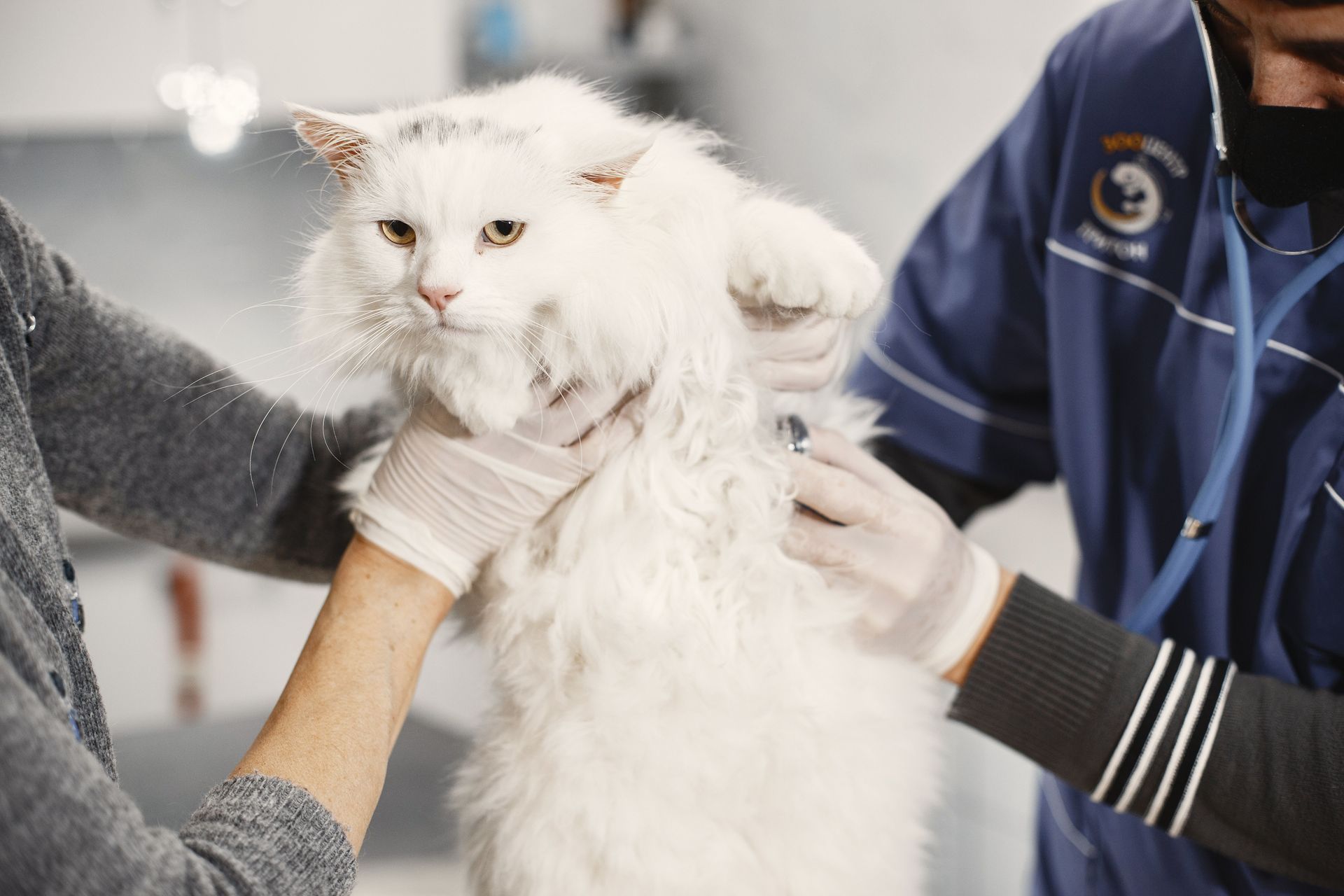
White cat being examined by two people wearing gloves in a veterinary clinic
  • Using antibiotics when an infection is caused by a virus rather than bacteria.
  • Stopping medication before the prescribed course is complete.
  • Giving leftover antibiotics from a previous illness.
  • Using antibiotics without veterinary guidance.


These practices may allow the strongest bacteria to survive and multiply, making future infections more challenging to treat.

When Does Your Pet Actually Need Antibiotics?

Not every illness requires antibiotics. Many conditions, such as allergies, viral infections, or minor inflammation, won't improve with antibiotic treatment.

Your veterinarian will determine whether antibiotics are appropriate by performing a physical examination and, when necessary, recommending diagnostic testing to identify the cause of your pet's illness. This helps ensure your pet receives the most effective treatment while avoiding unnecessary medication.

How Pet Owners Can Help

Responsible antibiotic use starts at home. Here are a few simple ways you can help protect your pet—and the broader community:

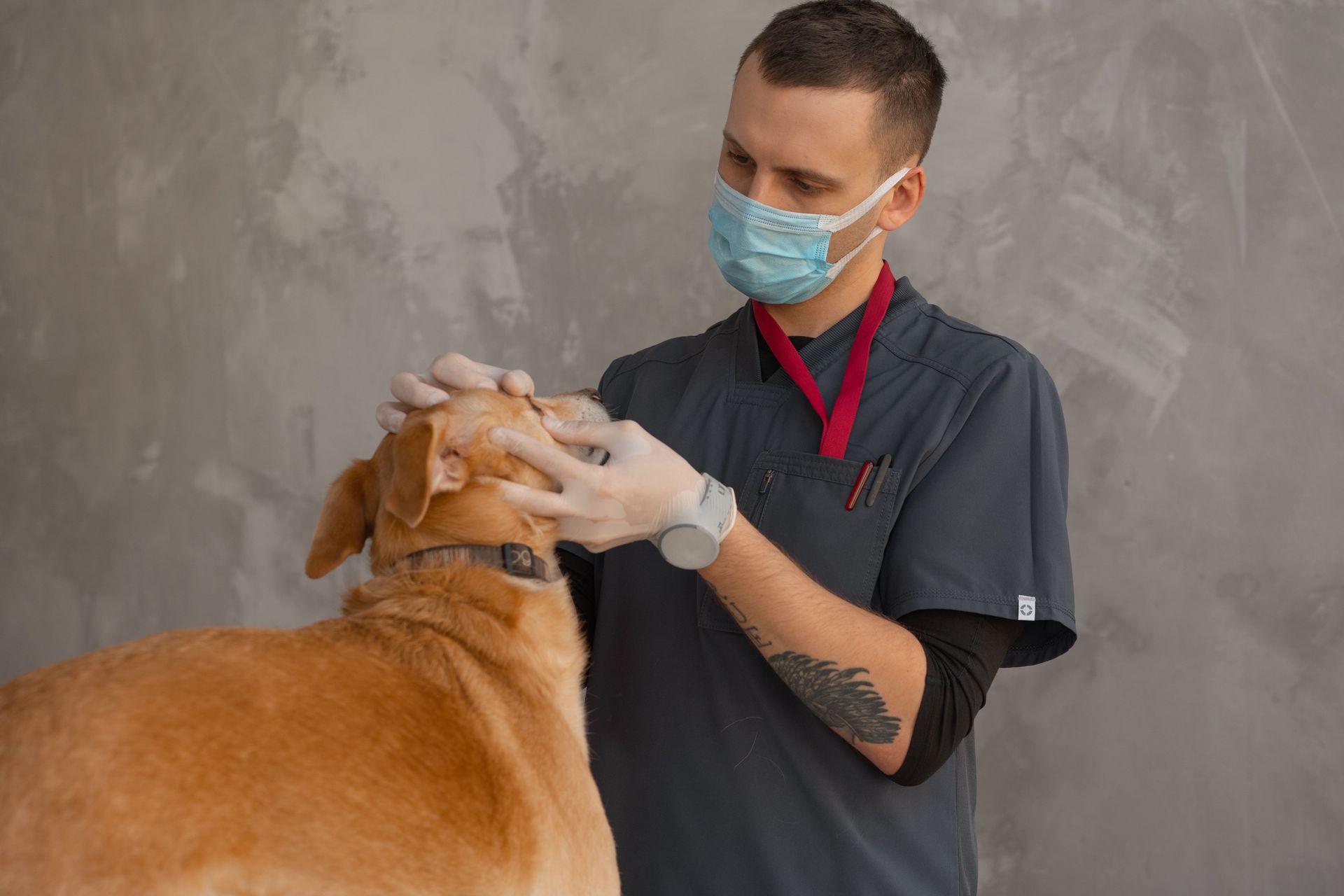
Veterinarian in mask and gloves examining a brown dog against a gray wall

Follow Your Veterinarian's Instructions

Always give antibiotics exactly as prescribed. Use the correct dose, administer it at the recommended times, and complete the treatment as directed unless your veterinarian advises otherwise.

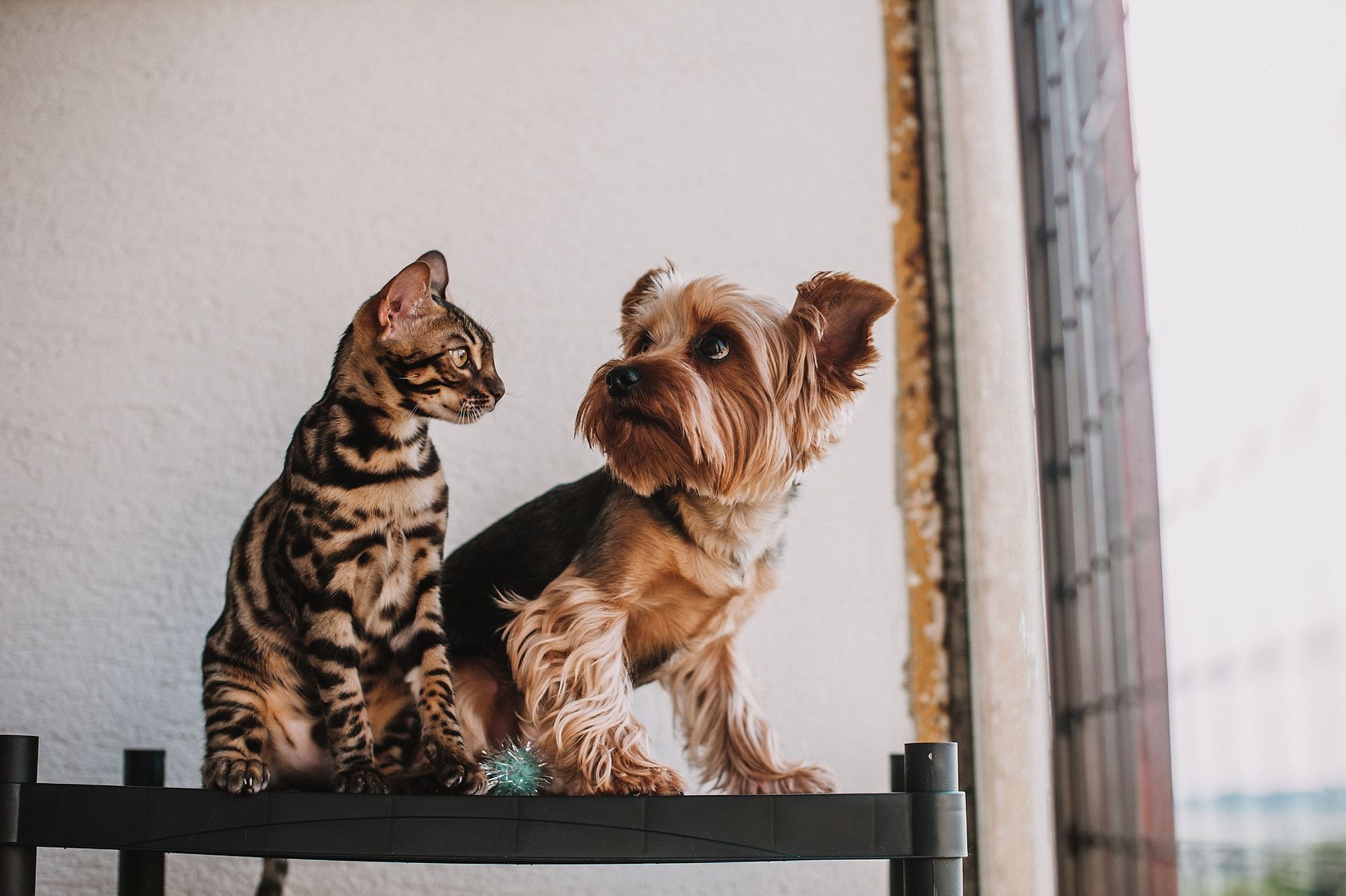
Dog and tabby cat sitting side by side on a chair, looking at each other

Never Share Medications

Antibiotics prescribed for one pet should never be used for another. Different infections require different medications, dosages, and treatment plans.

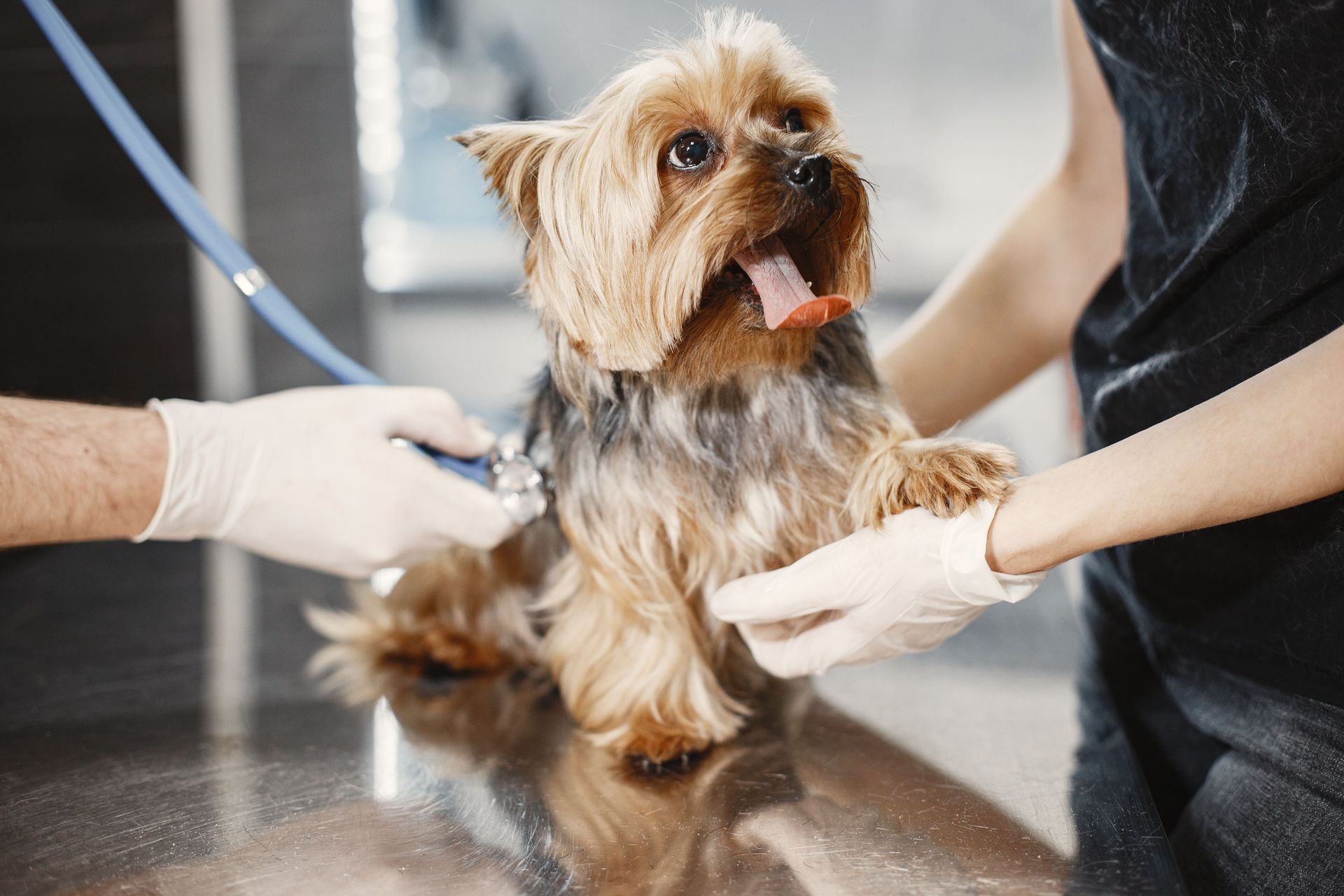
Small terrier being groomed on a table by two gloved people in a salon

Keep Up with Preventive Care

Routine wellness exams, vaccinations, parasite prevention, dental care, and good nutrition all help reduce the risk of infections that may require antibiotics in the first place. Preventive care is one of the best defenses against illness.

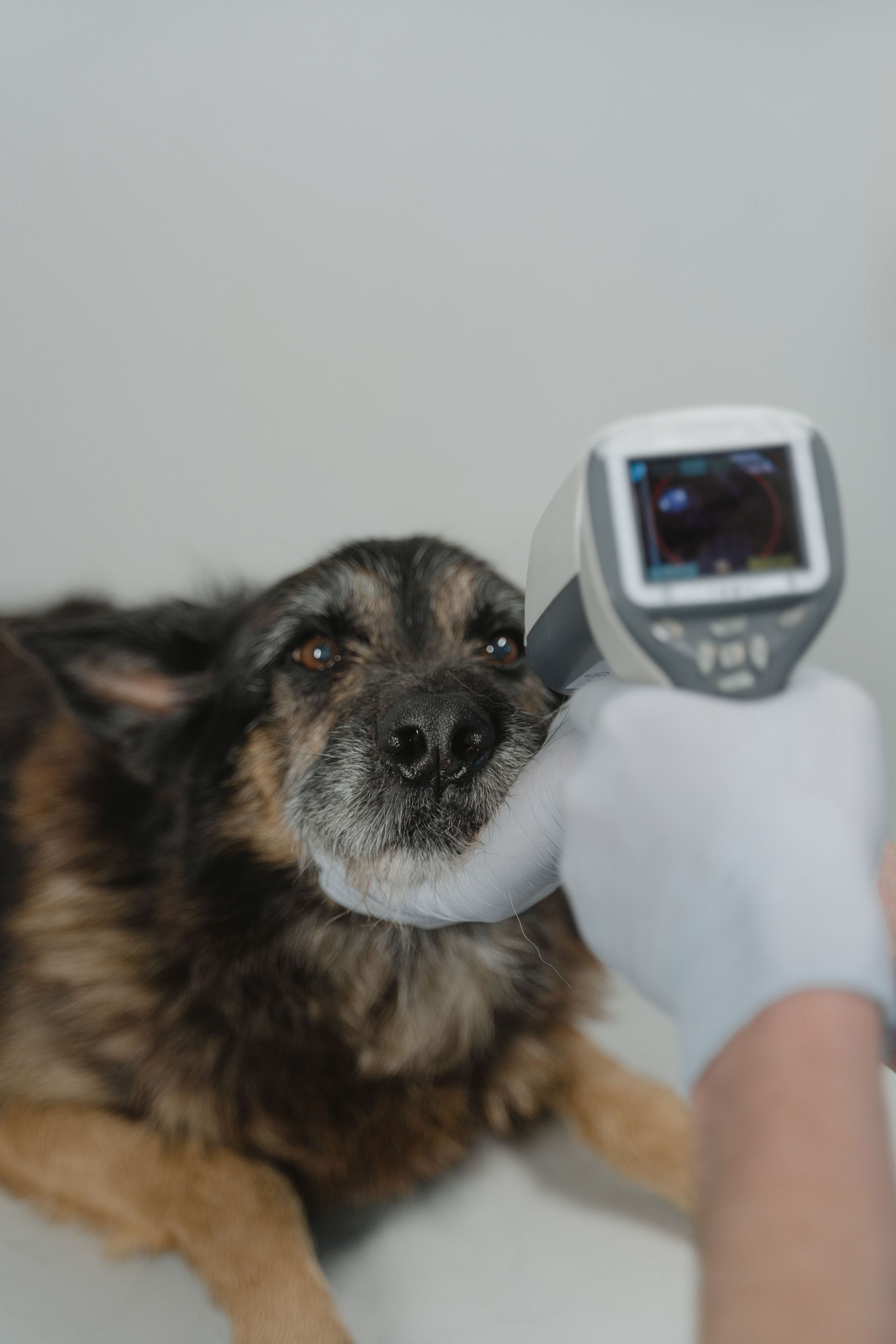
Dog being examined with a handheld thermometer by a gloved person.

Watch for Changes

If your pet isn't improving or develops new symptoms during treatment, contact your veterinarian instead of adjusting or stopping medications on your own.

Our Commitment to Responsible Veterinary Care

At Medlock Bridge Animal Hospital, every treatment recommendation is made with your pet's best interests in mind. Our veterinary team carefully evaluates each case before prescribing antibiotics and follows current veterinary guidelines to help preserve these important medications for the future.


By combining thorough examinations, appropriate diagnostics, and personalized treatment plans, we strive to provide effective care while supporting responsible antibiotic stewardship.

Protecting Pets Today—and Tomorrow

Antibiotics remain one of the most valuable tools in veterinary medicine, but they work best when they're used wisely. Together, veterinarians and pet owners can help slow the spread of antibiotic resistance by making informed decisions and following treatment recommendations.


If your pet is showing signs of illness or you have questions about antibiotics or infection prevention, our team is here to help. We'll work with you to determine the safest and most effective care for your four-legged family member.

About Medlock Bridge Veterinary Hospital

At Medlock Bridge Veterinary Hospital, we provide compassionate, high-quality veterinary care to help pets live healthier, happier lives. Our experienced team is dedicated to supporting your pet's health through every stage of life.

Need Veterinary Care?

Whether your pet needs preventive care, treatment, or urgent attention, we're here to help.

Contact us today to schedule an appointment and give your pet the care they deserve.

Annual wellness exams for pets, with a fluffy brown dog beside a veterinarian in a blue coat
By Jaypee Aligway June 10, 2026
Learn why annual wellness exams are crucial for your pet's long-term health. Discover how preventive veterinary care helps detect illnesses early and keeps pets healthy in Johns Creek and Norcross.
A veterinarian listens to a dog's heart with a stethoscope; text reads,
By Jaypee Aligway March 17, 2026
Learn how Medlock Bridge Animal Hospital stays at the forefront of veterinary care through ongoing continuing education, advanced training, and the latest medical techniques in Johns Creek.
By Jaypee A October 1, 2025
Spooky Season Paws-tivities: Dog-Friendly Fall Events & Breweries
By Jaypee A September 15, 2025
Fall Fun with Fido:
By Jaypee A September 15, 2025
Fall Dangers for Dogs
By Jaypee A August 8, 2025
Looking for dog-friendly restaurants in Peachtree Corners? Discover the best pet-friendly patios, cafes, and dining spots for you and your pup — plus nearby ATL favorites.