
The Importance of Dental Care for Dogs and Cats: How to Protect Your Pet's Smile

Jaypee Aligway • October 18, 2026

The Importance of Dental Care for Dogs and Cats: How to Protect Your Pet's Smile

Two people pet a white dog outdoors on a rocky path in a wooded area

Your pet's smile can tell you more than you might think. Healthy teeth and gums are important for eating, playing, and maintaining overall comfort. However, dental problems can develop gradually, and many dogs and cats continue eating even when their mouths are uncomfortable.


At Medlock Bridge Animal Hospital, we believe preventive care is an essential part of helping pets live healthier, happier lives. For pet owners in Norcross, Johns Creek, and nearby communities, understanding the basics of pet dental care can help prevent problems and identify warning signs early.


Whether you have a playful puppy, a curious kitten, or a senior companion, taking care of your pet's teeth is an important part of responsible pet ownership.

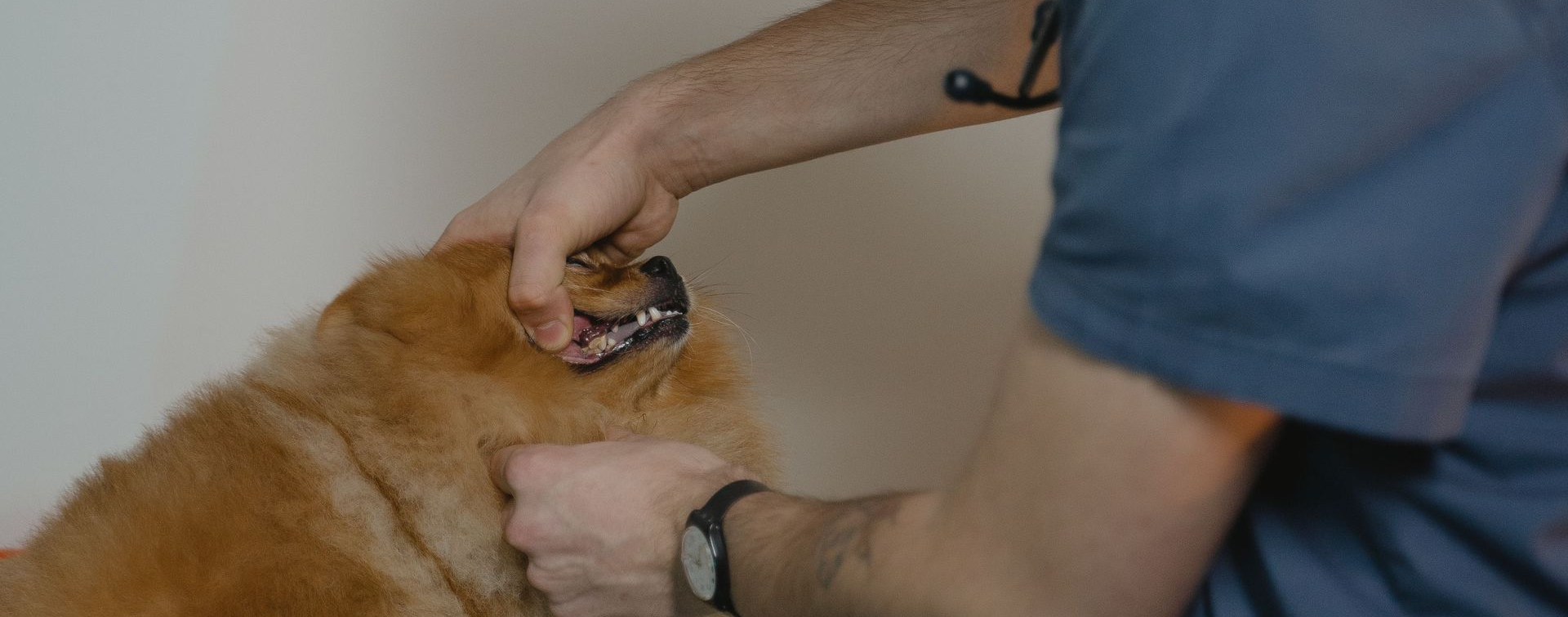
Veterinarian checking a cat's teeth for signs of plaque and gum disease

Why Is Dental Care Important for Pets?

Just like people, dogs and cats can develop plaque, tartar, gum inflammation, and other dental problems. Plaque is a film of bacteria that forms on teeth. When it accumulates and hardens, it becomes tartar, which can contribute to gum disease.


Without proper dental care, these problems may progress and cause discomfort, damaged teeth, or infection.

Common reasons to prioritize pet dental health include:

  • Preventing gum disease: Regular dental care helps reduce plaque buildup and supports healthier gums.
  • Supporting comfortable eating: Dental problems can make chewing painful or difficult.
  • Protecting teeth: Preventive care helps reduce the risk of advanced dental disease and tooth loss.
  • Maintaining overall health: Severe dental infections can affect surrounding tissues and may have broader health consequences.

Dental care is not just about keeping your pet's breath fresh. It is about supporting comfort, preventing disease, and maintaining quality of life..

5 Signs Your Dog or Cat May Have Dental Problems

Pets cannot tell us when their teeth hurt. Paying attention to changes in their behavior and appearance can help you recognize when veterinary attention may be needed..

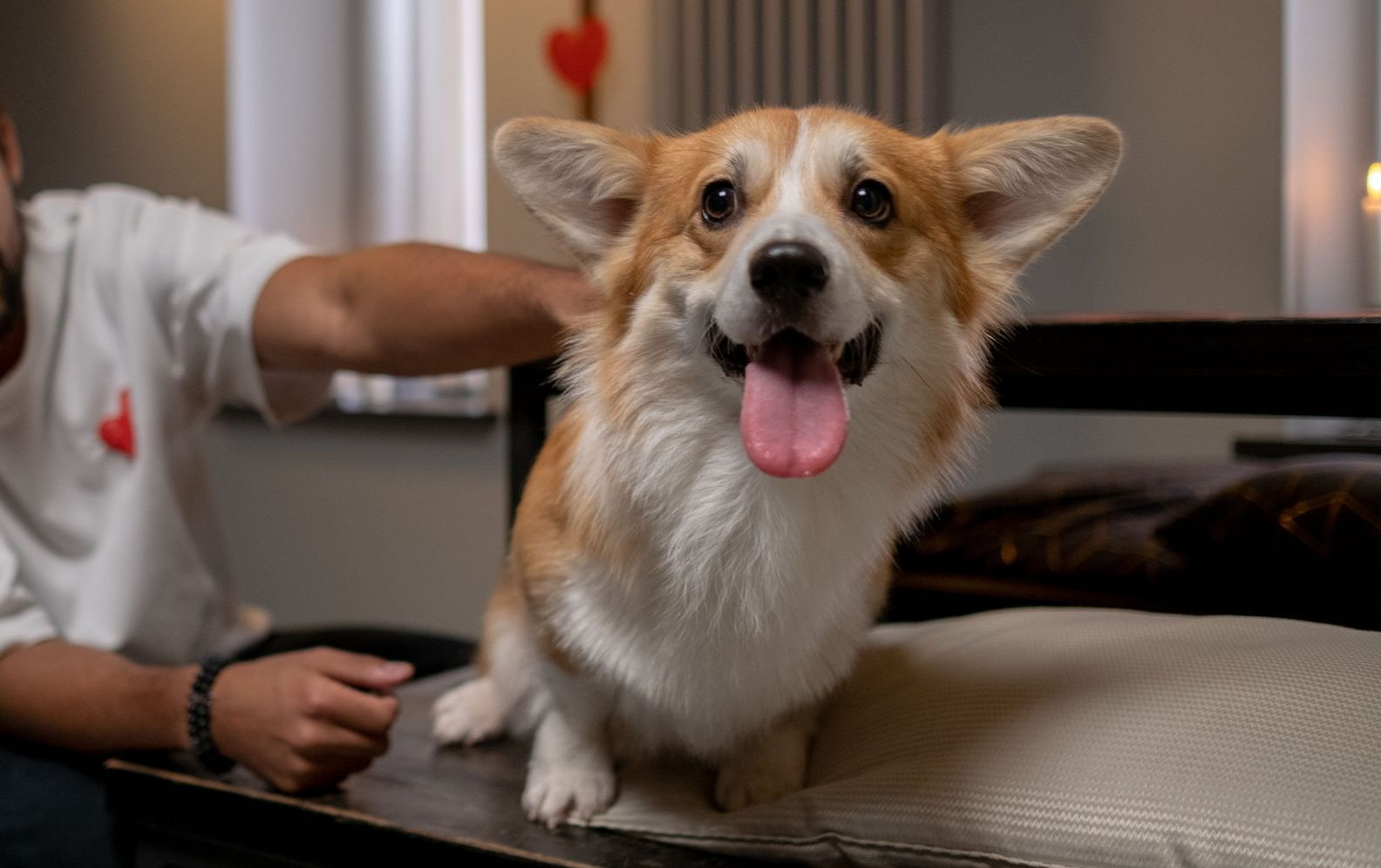
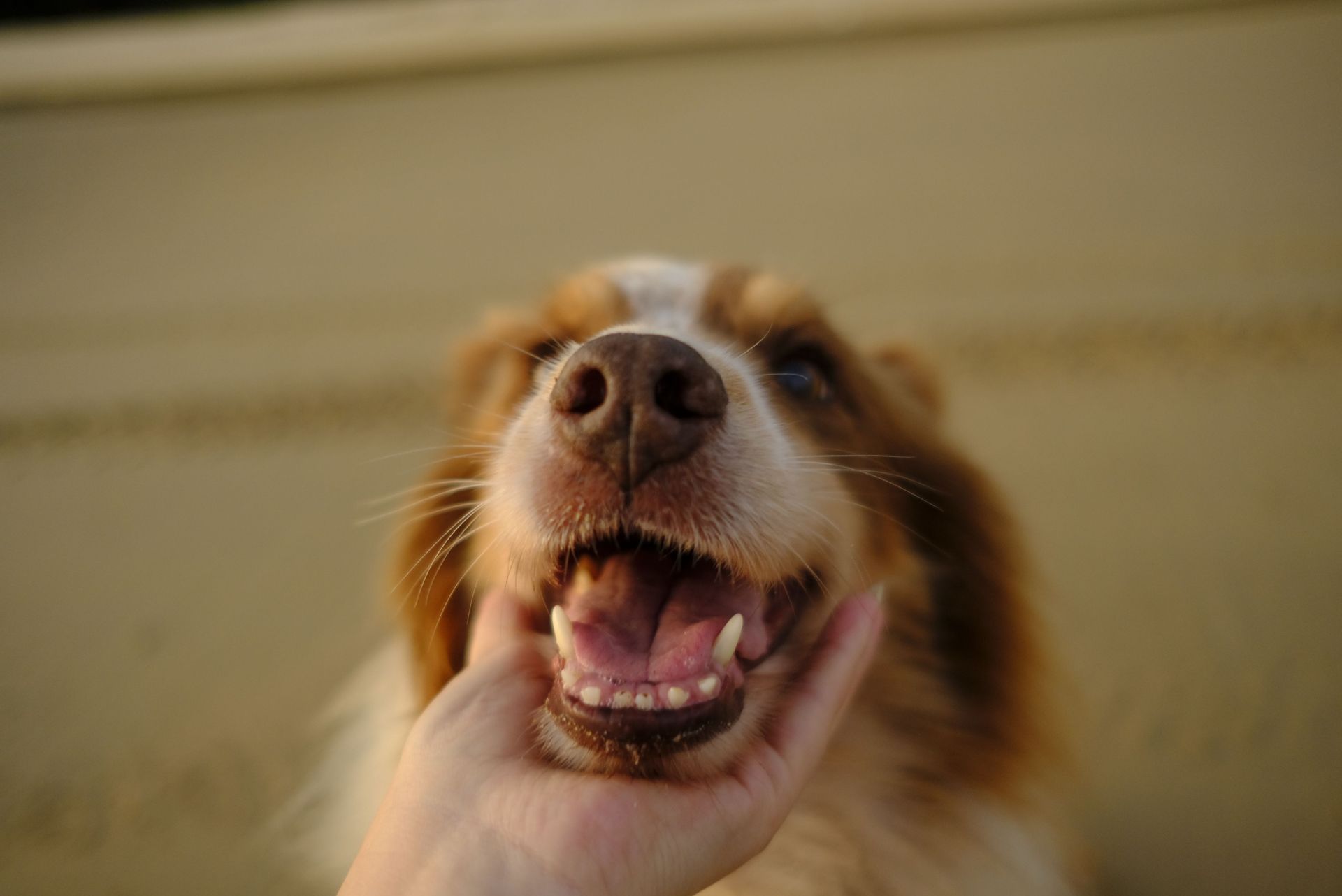
Happy corgi sitting on a couch with tongue out, beside a person’s arm in a cozy indoor room

1. Persistent Bad Breath

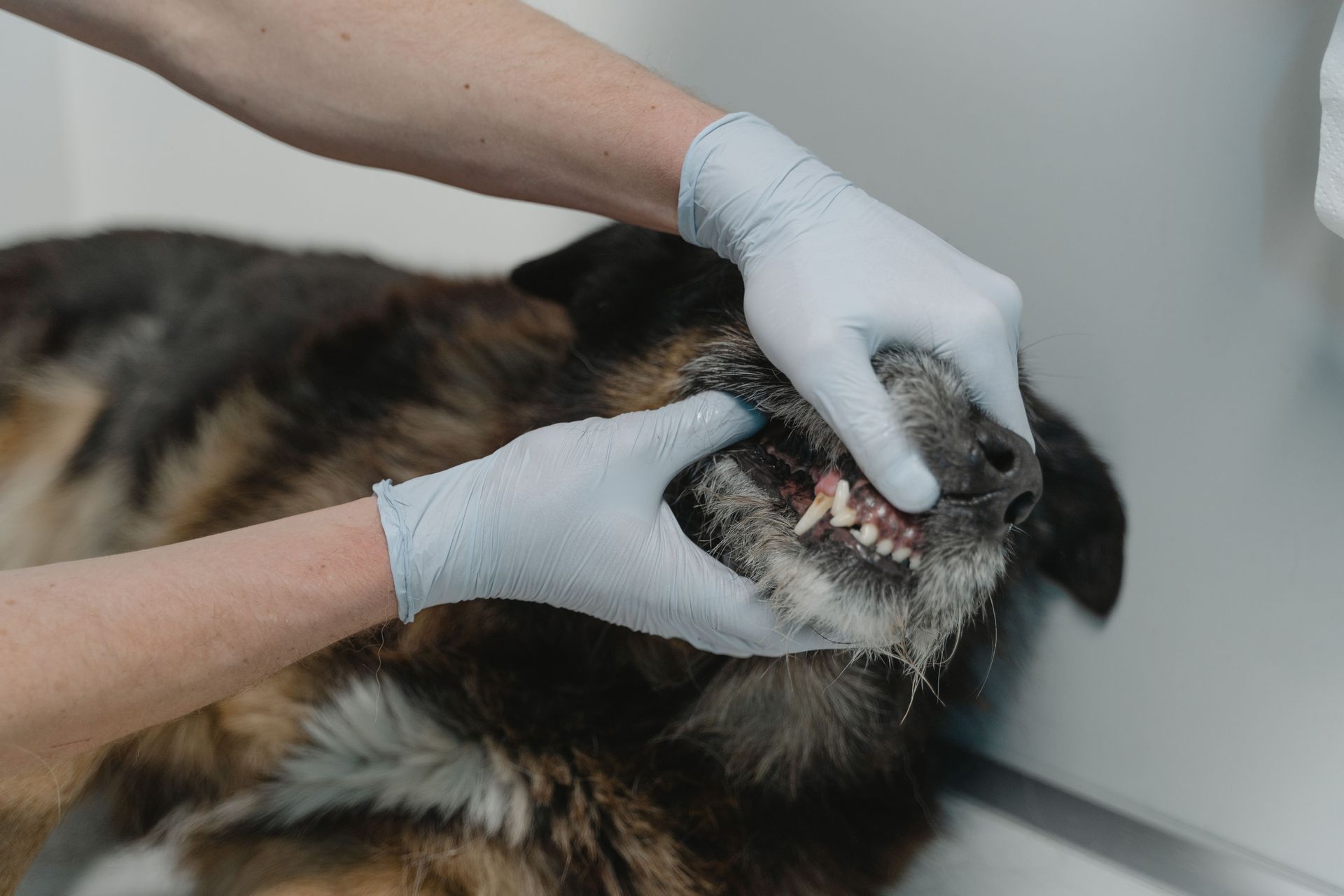
Gloved hands examining a dog's teeth and mouth on a white exam table

Occasional unpleasant breath can happen, but persistent strong or foul-smelling breath may indicate plaque buildup, gum disease, or infection.


Do not assume bad breath is simply a normal part of having a dog or cat.

2. Red, Swollen, or Bleeding Gums

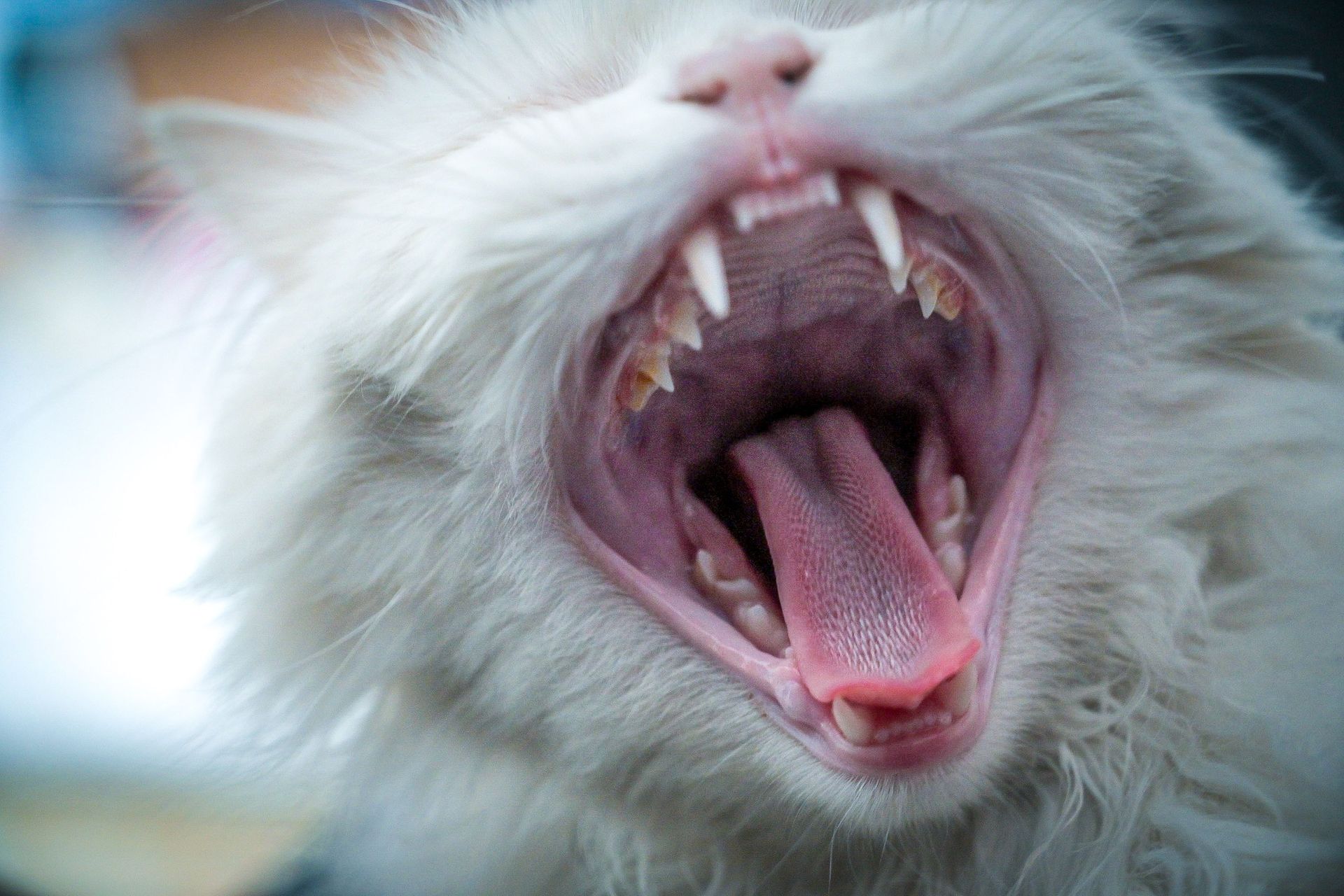
Close-up of a white cat yawning, showing its open mouth and sharp teeth

Healthy gums generally appear pink, although normal pigmentation varies between pets. Redness, swelling, or bleeding around the teeth can be signs of inflammation or dental disease.


If you notice these changes, arrange a veterinary evaluation.

3. Difficulty Eating or Chewing

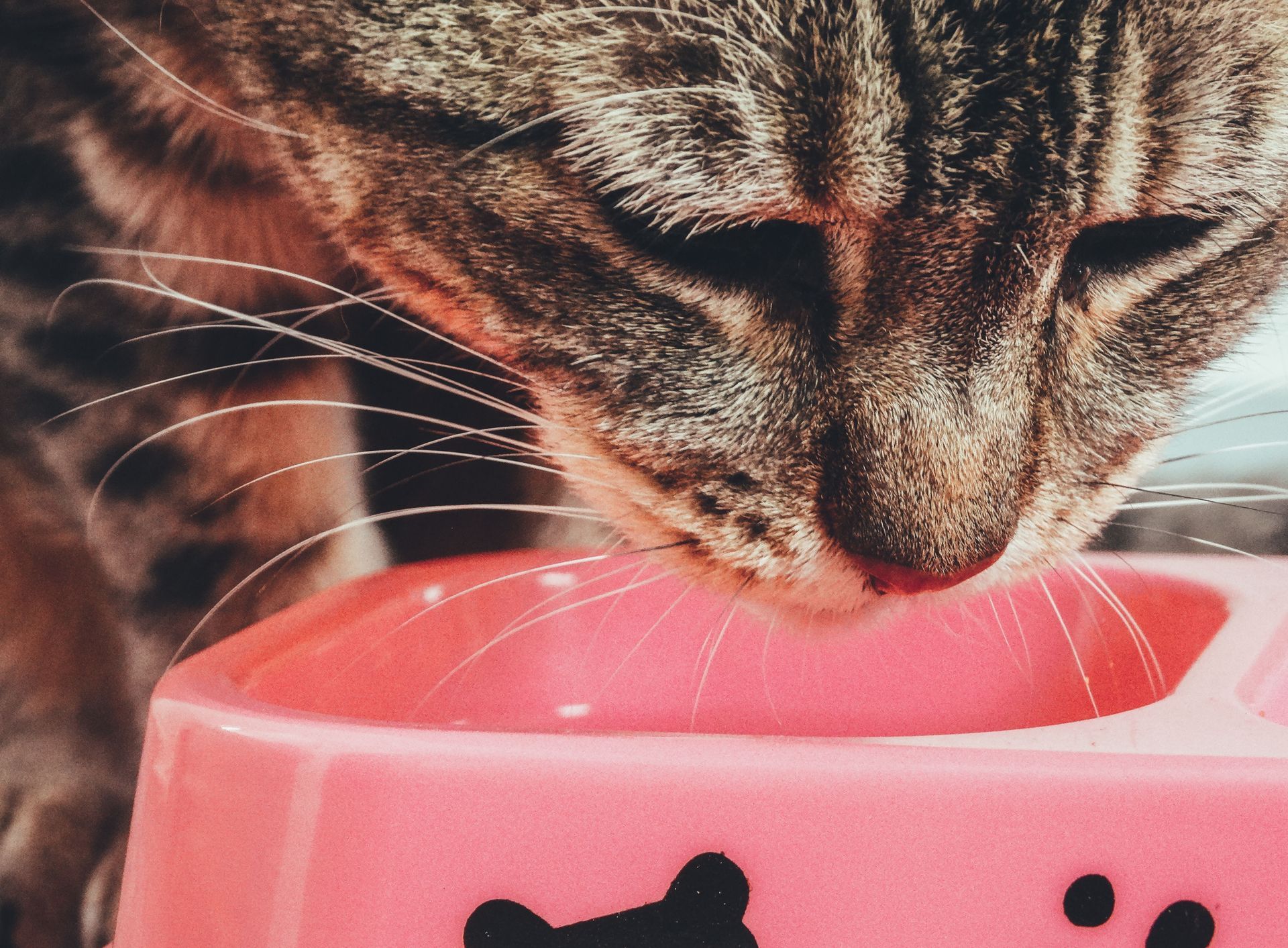
Tabby cat drinking from a pink bowl with black paw prints

A pet with oral discomfort may chew slowly, drop food, favor one side of the mouth, or suddenly prefer softer food.


Some pets continue eating despite significant dental pain, so a normal appetite does not always mean their mouths are healthy.

4. Excessive Drooling or Pawing at the Mouth

Black-and-white dog with floppy ears against a bright orange background, mouth open and looking at the camera

Unusual drooling, repeatedly rubbing the face, or pawing at the mouth may indicate oral discomfort or another problem that needs examination.


These signs can have causes beyond dental disease, making veterinary assessment important.

5. Visible Tartar or Loose Teeth

Person grooming a golden dog with a brush indoors

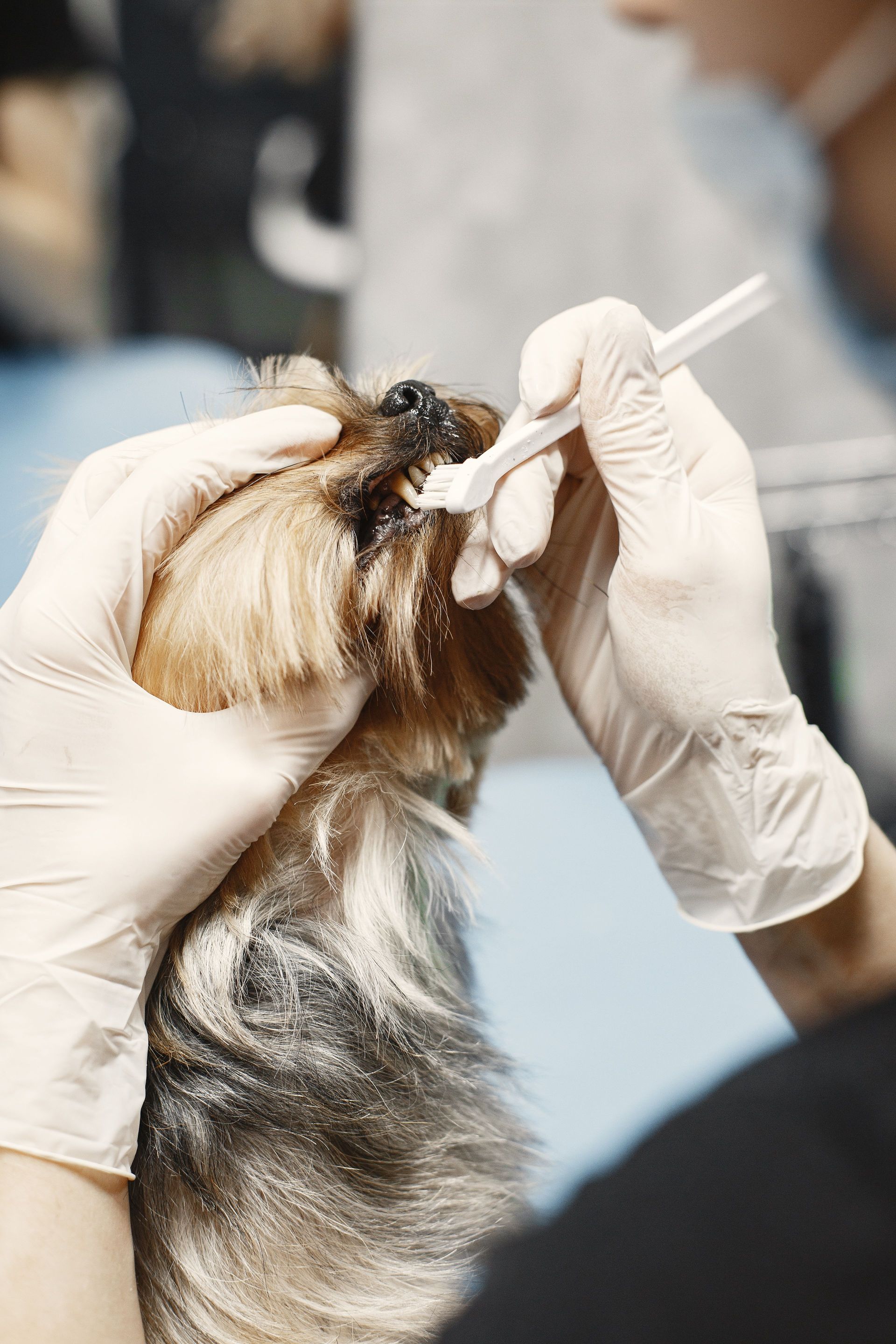
Yellow or brown deposits along the gumline may indicate tartar buildup. Loose, broken, or discolored teeth also warrant veterinary attention.


Avoid attempting to scrape hardened tartar off your pet's teeth at home. Improper tools or techniques can injure the gums and teeth.


Important: If your pet has facial swelling, significant oral bleeding, severe pain, or difficulty eating, contact a veterinarian promptly. Difficulty breathing or swallowing requires emergency veterinary care.

How to Keep Your Pet's Teeth Healthy at Home

A consistent dental care routine can help reduce plaque buildup and support healthier teeth and gums.

Brush Your Pet's Teeth Regularly


Brushing is one of the most effective ways to control plaque. Use a pet-specific toothbrush and toothpaste formulated for dogs or cats.


Human toothpaste should not be used because some ingredients, including xylitol in certain products, can be dangerous to pets.


Introduce brushing gradually. Start by letting your pet taste the toothpaste and become comfortable with having their lips and mouth handled. Reward calm behavior and build up to gentle brushing along the outer surfaces of the teeth.


Daily brushing is ideal when tolerated, but even a consistent routine that fits your pet's needs can be helpful.


Choose Dental Products Carefully


Some dental chews, diets, and oral care products can help reduce plaque or tartar. Choose products appropriate for your pet's size, age, chewing habits, and health.


Look for products with credible veterinary dental recommendations, and ask your veterinarian which options are suitable for your pet.


Avoid excessively hard items that could fracture teeth, including bones and some very hard chews.


Make Oral Checks Part of Your Routine


When your pet is relaxed, gently lift the lips and look for obvious changes in the teeth and gums. Never force your pet's mouth open if they resist or appear painful.


Home checks do not replace professional examinations, but they can help you notice changes sooner.


Maintain Regular Veterinary Examinations


Your veterinarian can evaluate your pet's oral health and recommend the appropriate next steps. Depending on the findings, professional dental cleaning, dental X-rays, or treatment may be necessary.


Professional dental procedures may require anesthesia to allow a thorough examination and cleaning below the gumline. Your veterinarian can discuss the benefits, risks, and appropriate plan for your pet.

Do Puppies, Kittens, and Senior Pets Need Different Dental Care?

Yes. Dental needs can change as pets grow older.

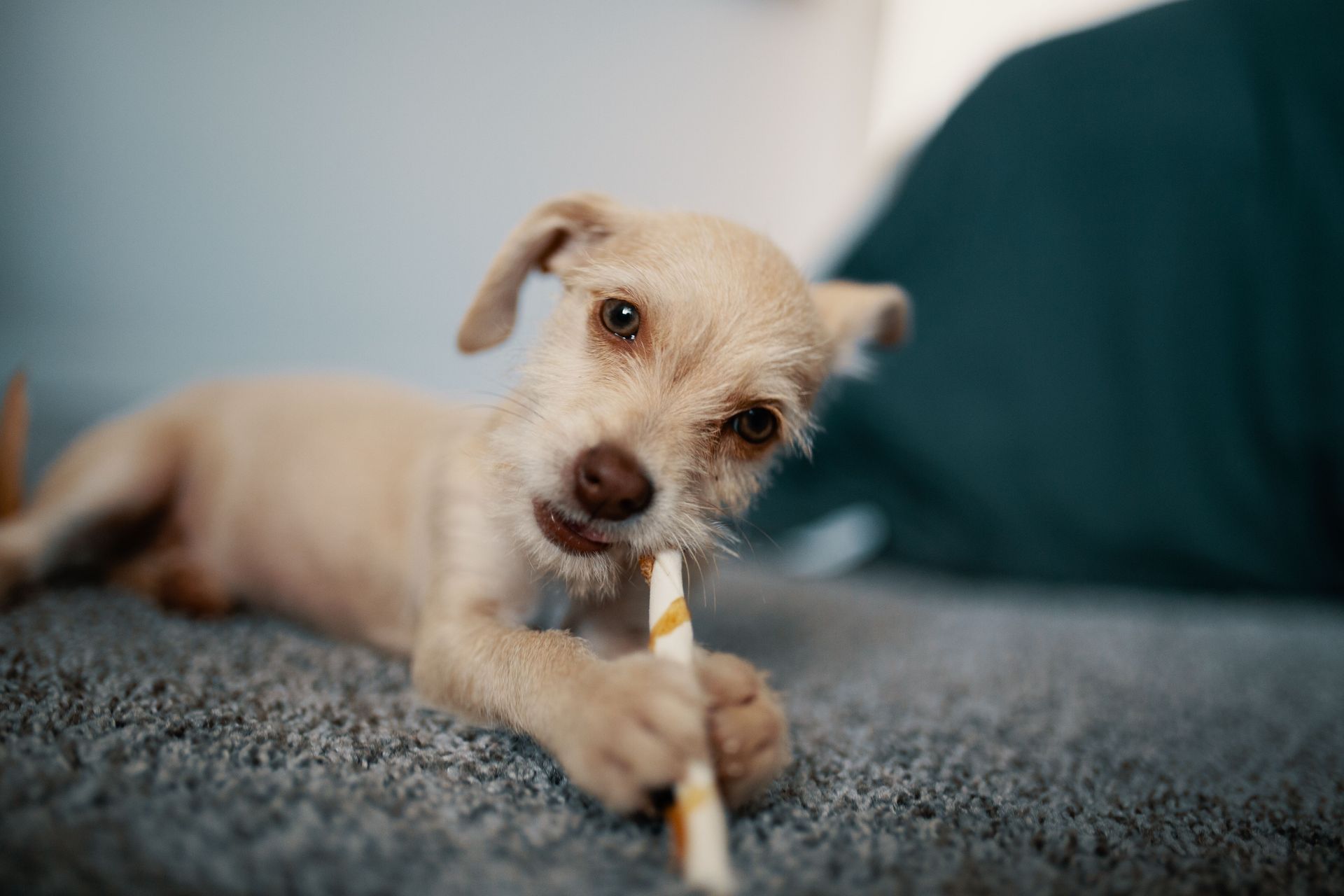
Small tan dog lying on a gray carpet, chewing a white stick toy with a teal couch in the background

Puppies and Kittens

Young pets develop baby teeth before their adult teeth emerge. During this stage, help them become comfortable with gentle mouth handling and introduce appropriate dental care gradually.


Veterinary examinations can help identify retained baby teeth, abnormal tooth development, or other concerns..


Adult Dogs and Cats

Adult pets benefit from ongoing home dental care and regular professional assessments. The right approach depends on their breed, individual dental health, diet, and history of oral disease.


Senior Pets

Older pets may be more likely to experience accumulated tartar, gum disease, worn teeth, or other oral problems.


Do not assume bad breath or difficulty chewing is simply a result of aging. A veterinary examination can help determine whether treatment is needed and how to keep your senior companion comfortable..

When Should You Take Your Pet to the Veterinarian for Dental Care?

You should seek veterinary advice if you notice persistent bad breath, red or bleeding gums, difficulty chewing, broken teeth, unusual drooling, or changes in eating behavior.


Even if your pet appears comfortable, routine examinations can help identify dental problems before they become more advanced.


Depending on the examination, your veterinarian may recommend home care, professional cleaning, dental imaging, medication when appropriate, or other treatment.


Never give human pain medication to your pet unless specifically directed by a veterinarian. Some common medications can be toxic to dogs and cats..

Pet Dental Care at Medlock Bridge Animal Hospital

Keeping your pet healthy starts with paying attention to the little things, including their teeth and gums.


Medlock Bridge Animal Hospital provides veterinary care for pets in Norcross and surrounding communities. Our services include examinations, diagnostics, and other veterinary care based on your pet's needs.


If you are concerned about your dog's breath, your cat's gums, or changes in how your pet eats, our team can help evaluate the problem and discuss appropriate care.


We operate on a walk-in basis during our regular service hours, so an appointment is not required for daytime visits. You may call ahead to check which veterinarian is available or ask about your pet's needs.

Contact Medlock Bridge Animal Hospital


  • Address: 5155 S. Old Peachtree Road, Norcross, GA 30092
  • Phone: (770) 242-9272


Your pet depends on you to recognize when something is wrong. By combining regular home dental care with veterinary guidance, you can help protect their smile and support a healthier, more comfortable life..

A healthy-looking pet is wonderful—but regular veterinary care helps you look beyond what you can see.


Routine wellness exams give you an opportunity to monitor your pet's health, discuss preventive care, and address concerns before they potentially become bigger problems.


If your dog or cat is due for a wellness exam, the team at Medlock Bridge Animal Hospital is here to help.


Your pet's health shouldn't wait. Walk in and let our team take care of the rest.

Frequently Asked Questions About Pet Dental Care

  • How often should my dog's or cat's teeth be brushed?

    Daily brushing is ideal for reducing plaque. Start gradually and use toothpaste designed specifically for pets. Ask your veterinarian for guidance if your pet has existing dental problems.

  • Is bad breath normal in dogs and cats?

    Persistent bad breath is not something to ignore. It can be associated with dental disease or other health concerns and should be evaluated by a veterinarian.

  • Can dental treats replace brushing?

    Dental treats may help reduce plaque, depending on the product, but they generally should not be considered a complete replacement for brushing and professional veterinary care.

  • Do cats need dental care even if they eat normally?

    Yes. Cats can hide discomfort and may continue eating despite oral pain. Regular examinations can help identify dental concerns that may not be obvious at home.

  • Can I bring my pet to Medlock Bridge Animal Hospital without an appointment?

    Yes. Medlock Bridge Animal Hospital operates on a walk-in basis during its regular service hours. You can call ahead at (770) 242-9272 to check availability or discuss your pet's needs.

Disclaimer: This article is for general educational purposes and does not replace an individual veterinary examination, diagnosis, or treatment plan.

About Medlock Bridge Veterinary Hospital

At Medlock Bridge Veterinary Hospital, we provide compassionate, high-quality veterinary care to help pets live healthier, happier lives. Our experienced team is dedicated to supporting your pet's health through every stage of life.

Need Veterinary Care?

Whether your pet needs preventive care, treatment, or urgent attention, we're here to help.

Contact us today to schedule an appointment and give your pet the care they deserve.

Dog in grass beside text about why regular wellness exams matter for pets.
By Jaypee Aligway • September 21, 2026
Learn why regular pet wellness exams matter, what happens during a veterinary checkup, and how preventive care can help keep dogs and cats healthy.
Dog beside text on antibiotic resistance in pets, with blue background and white headline.
By Jaypee Aligway • July 30, 2026
Learn how antibiotic resistance affects pets, why responsible antibiotic use is important, and how Medlock Bridge Animal Hospital helps protect your pet's long-term health through safe veterinary care.
Annual wellness exams for pets, with a fluffy brown dog beside a veterinarian in a blue coat
By Jaypee Aligway • June 10, 2026
Learn why annual wellness exams are crucial for your pet's long-term health. Discover how preventive veterinary care helps detect illnesses early and keeps pets healthy in Johns Creek and Norcross.
A veterinarian listens to a dog's heart with a stethoscope; text reads,
By Jaypee Aligway • March 17, 2026
Learn how Medlock Bridge Animal Hospital stays at the forefront of veterinary care through ongoing continuing education, advanced training, and the latest medical techniques in Johns Creek.
By Jaypee A • October 1, 2025
Spooky Season Paws-tivities: Dog-Friendly Fall Events & Breweries
By Jaypee A • September 15, 2025
Fall Fun with Fido:
By Jaypee A • September 15, 2025
Fall Dangers for Dogs
By Jaypee A • August 8, 2025
Looking for dog-friendly restaurants in Peachtree Corners? Discover the best pet-friendly patios, cafes, and dining spots for you and your pup — plus nearby ATL favorites.