
Why Regular Wellness Exams Matter for Your Pet—Even When They Seem Healthy

Your pet may look perfectly healthy, but regular veterinary wellness exams can help detect problems before they become more serious. Here's why routine preventive care matters at every stage of your pet's life.
When your dog or cat is eating normally, playing, and acting like themselves, it can be easy to assume everything is fine. But pets are remarkably good at hiding signs of illness.
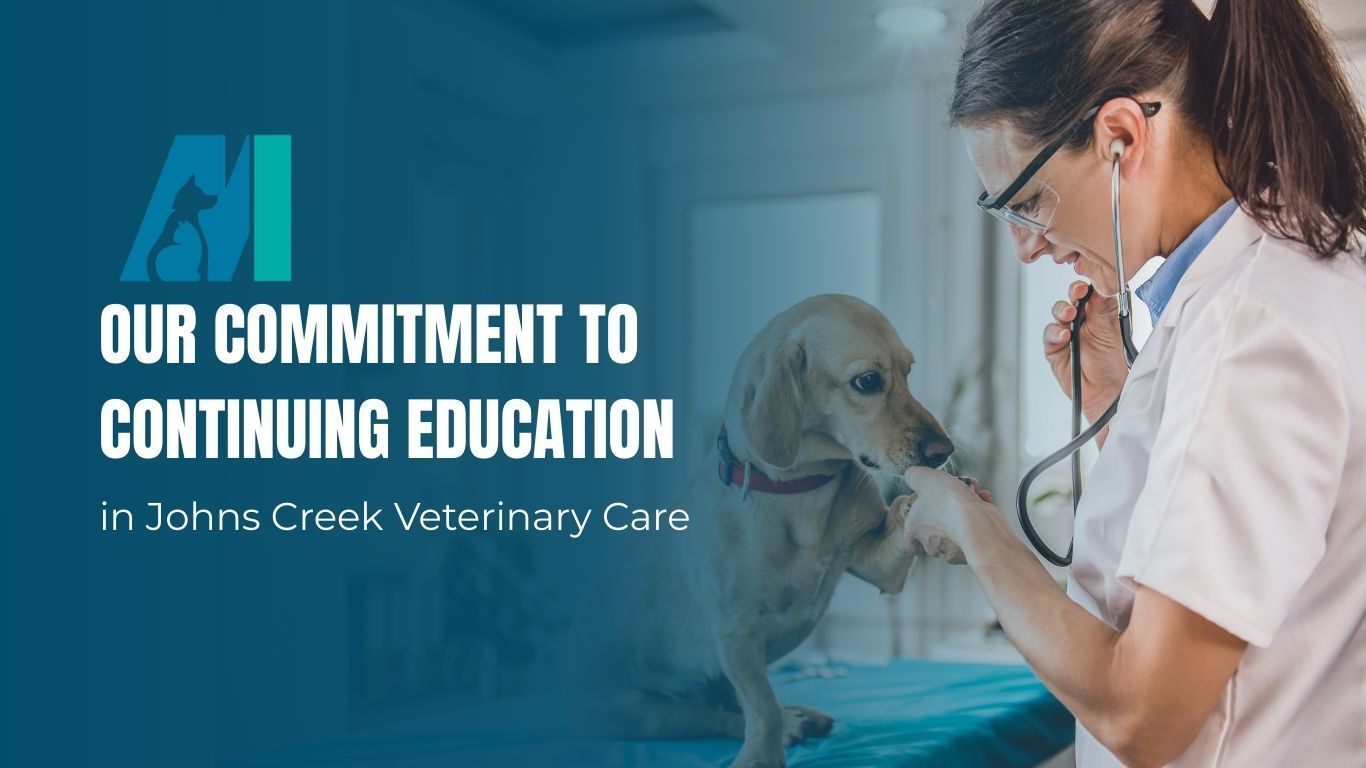
That is one reason regular pet wellness exams are so important. A routine veterinary visit isn't only about treating a sick pet—it is an opportunity to monitor your pet's overall health, identify potential concerns early, and create a preventive care plan that fits their age and lifestyle.
At Medlock Bridge Animal Hospital, we believe preventive care is an important part of helping pets enjoy healthier, happier lives.
What Happens During a Pet Wellness Exam?
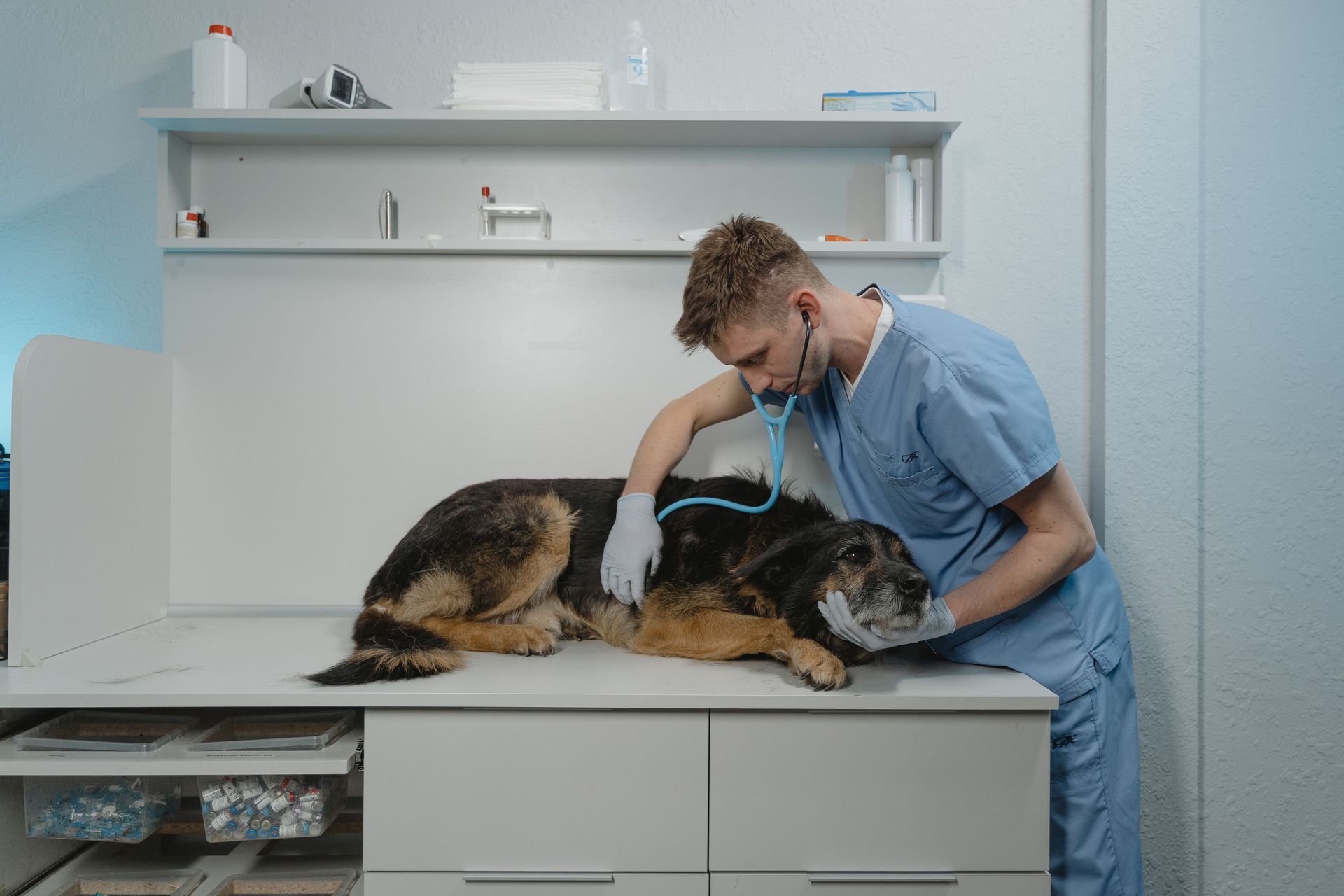
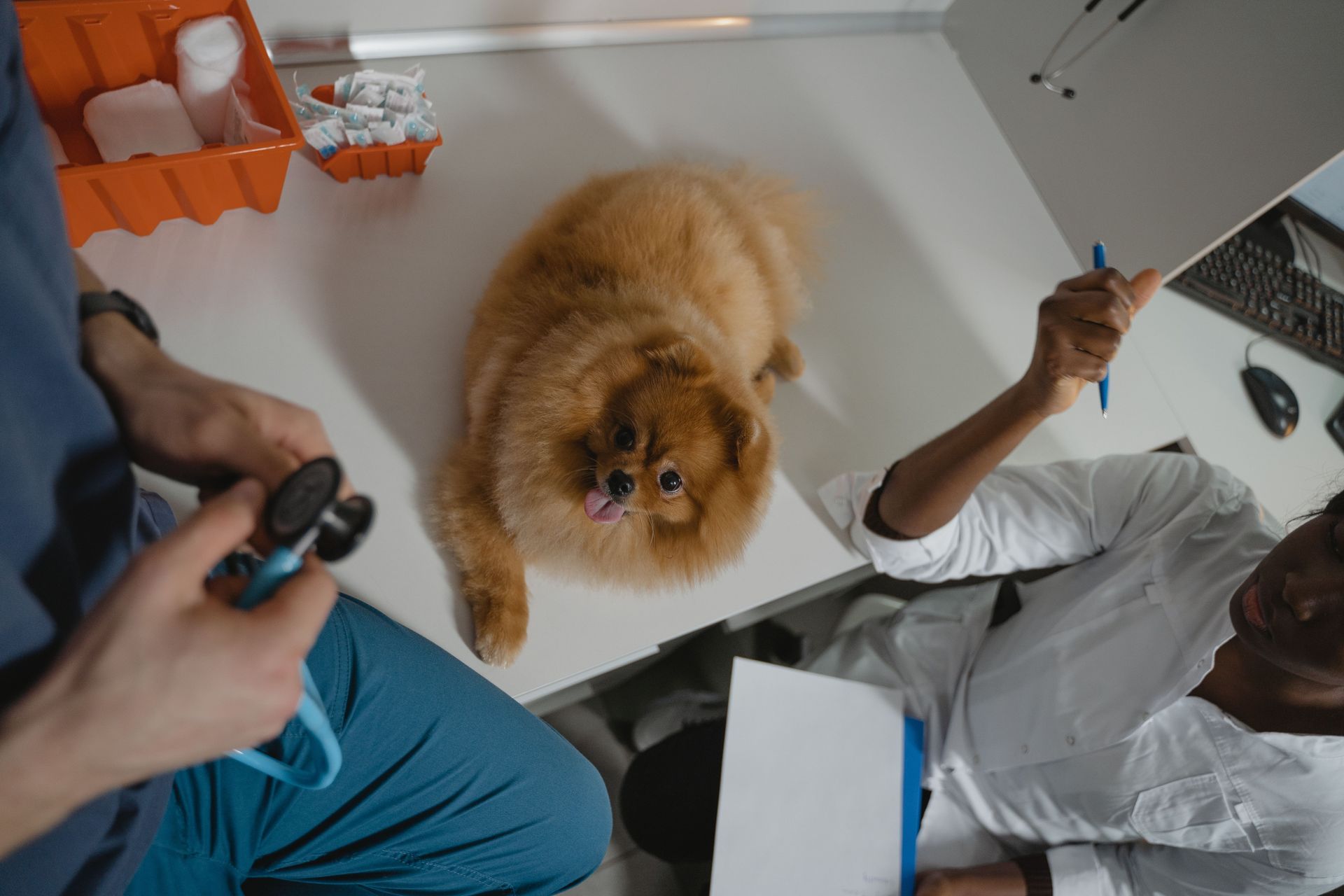
A wellness exam gives your veterinarian an opportunity to look at your pet from nose to tail and establish a picture of their overall health.
Depending on your pet's needs, a wellness visit may include:
- A physical examination
- Checking your pet's weight and body condition
- Listening to the heart and lungs
- Examining the eyes, ears, mouth, and teeth
- Evaluating the skin and coat
- Discussing nutrition and exercise
- Reviewing vaccinations and parasite prevention
- Discussing behavior or changes you've noticed at home
- Recommending diagnostic testing when appropriate
These routine checks can help your veterinarian identify changes that may not be obvious to you at home.
Why Early Detection Matters
Pets cannot tell us when something doesn't feel right. Sometimes, the first signs of a health problem can be subtle.
A change in weight, appetite, energy level, drinking habits, or behavior may have several possible causes. During a wellness examination, your veterinarian can discuss these changes with you and determine whether additional evaluation is needed.
Early detection doesn't guarantee that a health problem can be prevented, but finding potential concerns sooner can give you and your veterinarian more opportunities to evaluate and manage them.

Puppies and Kittens Need Preventive Care, Too

Young pets have different healthcare needs than adult animals.
Puppies and kittens typically need a series of vaccinations and regular health checks as they grow. These visits also provide an opportunity to discuss nutrition, parasite prevention, behavior, training, and other aspects of raising a healthy pet.
Starting veterinary care early can also help your pet become more comfortable with veterinary visits.
Adult Pets Still Need Regular Checkups
Once your pet reaches adulthood, it doesn't mean veterinary care becomes less important.
Adult pets continue to benefit from routine examinations, vaccination reviews, parasite prevention, dental assessments, nutrition guidance, and monitoring for changes in their health.
Even if your pet appears healthy, regular veterinary visits give your veterinarian a chance to establish and monitor their normal baseline.

Senior Pets May Need More Frequent Monitoring
As pets age, their healthcare needs can change.
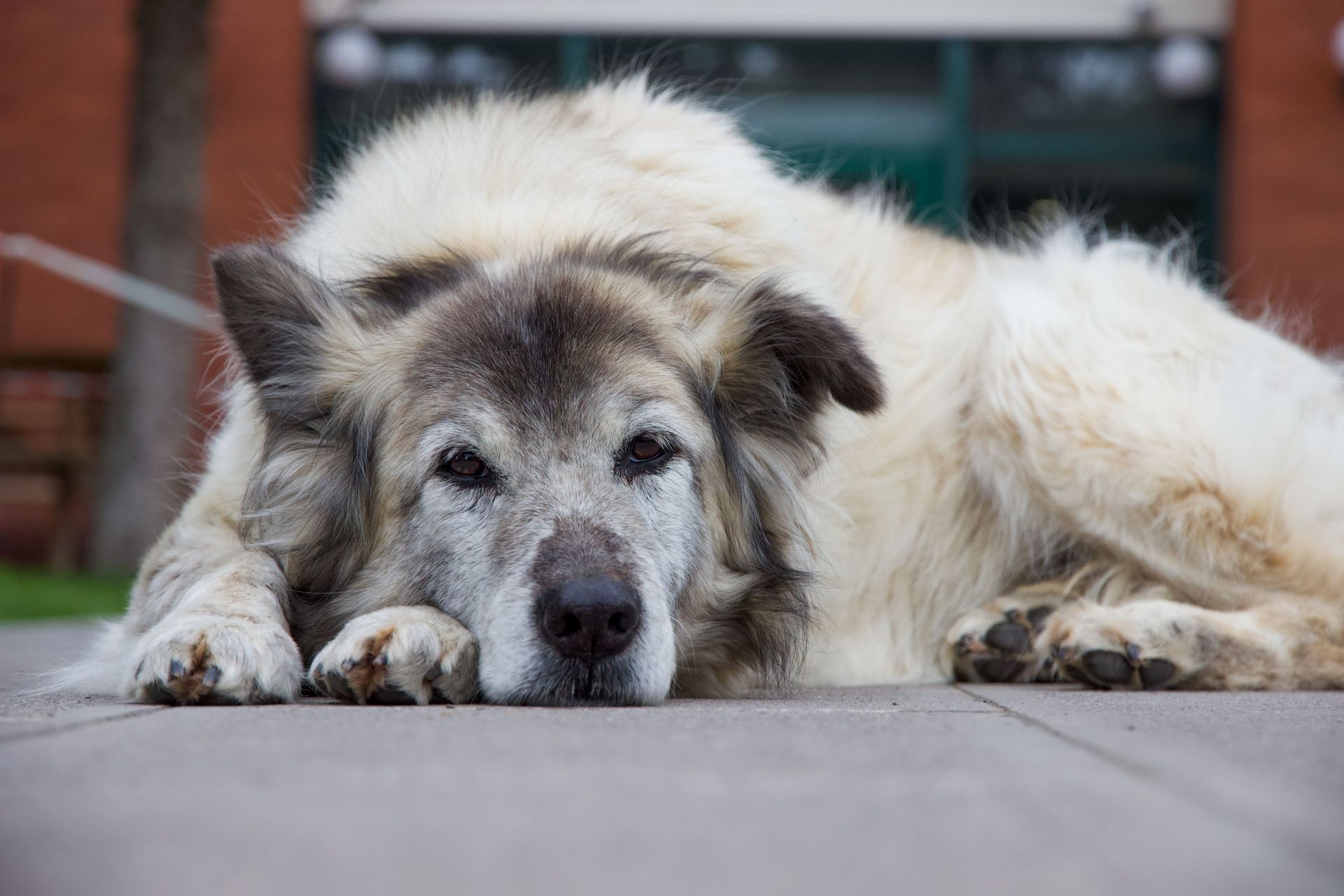
Senior dogs and cats may experience changes in mobility, weight, appetite, vision, hearing, behavior, or energy. Some age-related conditions can develop gradually, making regular monitoring particularly valuable.
Your veterinarian can recommend an appropriate wellness schedule based on your pet's age, health history, lifestyle, and individual needs..

Don't Wait for Your Pet to Get Sick
One of the biggest misconceptions about veterinary care is that you only need to visit the veterinarian when something is wrong.
Preventive veterinary care takes a different approach.
Instead of waiting for obvious symptoms, routine wellness visits allow you to stay ahead of your pet's healthcare needs. Vaccinations, parasite prevention, nutrition, dental care, and regular examinations can all play a role in maintaining your pet's overall health.

What Should You Tell Your Veterinarian?
You know your pet better than anyone, so the information you notice at home can be extremely helpful.
Before a wellness visit, think about whether you've noticed:
- Changes in appetite or thirst
- Weight gain or weight loss
- Changes in energy
- Coughing, sneezing, or breathing changes
- Vomiting or diarrhea
- Changes in bathroom habits
- Excessive scratching or licking
- Bad breath or difficulty eating
- Changes in behavior
- Trouble walking, jumping, or getting comfortable
Even seemingly small changes are worth mentioning. Your veterinarian can help determine whether they are normal or need further attention..
Preventive Care Is a Partnership
Your pet's health isn't managed during a veterinary visit alone. What happens at home matters, too.
At Medlock Bridge Animal Hospital, we believe veterinary care works best when veterinarians and pet families work together. Our team is here to answer questions, discuss your pet's individual needs, and help you make informed decisions about their care.
From routine wellness exams and vaccinations to diagnostics and treatment when your pet isn't feeling well, we're here to support your pet through every stage of life.
Keep Your Pet on Track for a Healthier Life
A healthy-looking pet is wonderful—but regular veterinary care helps you look beyond what you can see.
Routine wellness exams give you an opportunity to monitor your pet's health, discuss preventive care, and address concerns before they potentially become bigger problems.
If your dog or cat is due for a wellness exam, the team at Medlock Bridge Animal Hospital is here to help.
Your pet's health shouldn't wait. Walk in and let our team take care of the rest.
About Medlock Bridge Veterinary Hospital
At Medlock Bridge Veterinary Hospital, we provide compassionate, high-quality veterinary care to help pets live healthier, happier lives. Our experienced team is dedicated to supporting your pet's health through every stage of life.
Need Veterinary Care?
Whether your pet needs preventive care, treatment, or urgent attention, we're here to help.
Contact us today to schedule an appointment and give your pet the care they deserve.